HAVE TO vs WANT TO
Justin Kauffman • December 31, 2021

“I have to go to the gym”
“I have to eat my vegetables”
Do those statements sound familiar?
We often find ourselves in a cycle of negative feelings towards positive behaviors (exercise, healthy eating, etc.…).
But have you ever thought about the benefits (both short and long-term) gained from engaging in such positive behaviors?
Let’s see if we can change our mentality towards positive behaviors and ultimately get closer to achieving goals.
Here is our challenge: Next time you think you HAVE to do something that is good for you, think about how it can help you achieve your goal.
Let’s shift from an “I have to” to an “I WANT to” mentality
The post HAVE TO vs WANT TO appeared first on Regenx Fitness and Nutrition.
MORE RECENT POSTS
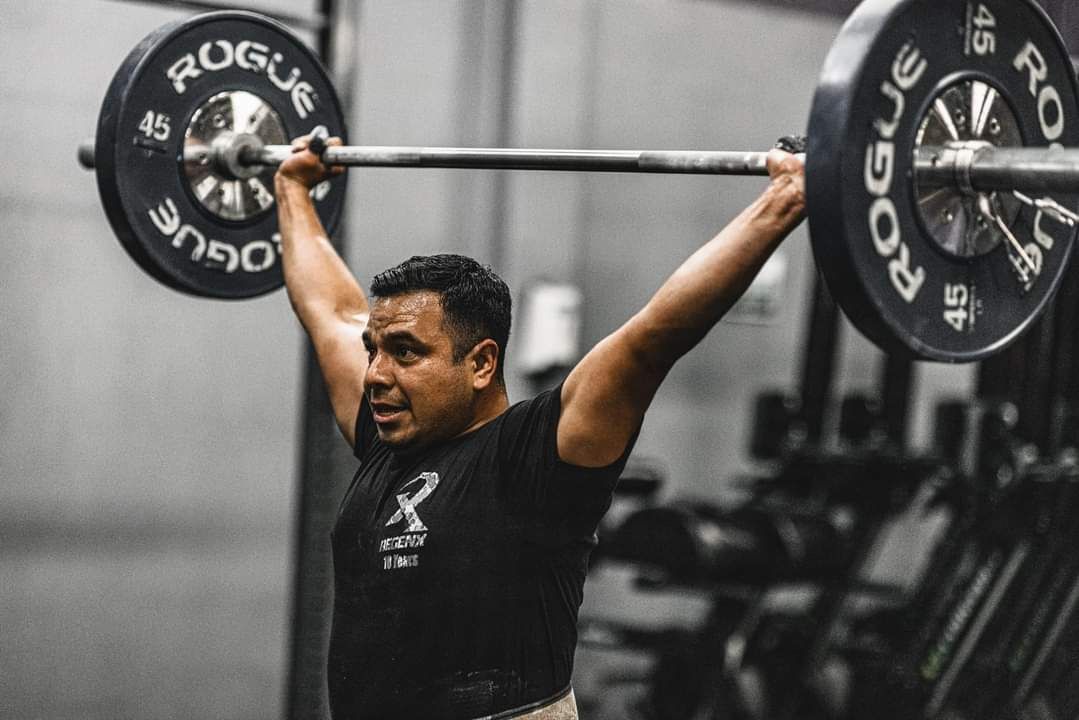
CrossFit is built on three core modalities: gymnastics, monostructural movements, and weightlifting . Each plays a unique role in developing well-rounded fitness: Gymnastics: bodyweight control and coordination (pull-ups, double unders, handstand push-ups). Monostructural: cardio and endurance (running, rowing, biking). Weightlifting: raw strength and power (snatches, squats, cleans, deadlifts). At RegenX Fitness, we structure our programming in 4-week cycles. During each cycle, we emphasize specific movements within every modality. For example, one cycle may focus heavily on snatches, back squats, or strict handstand push-ups while weaving in cardio pieces to build conditioning. We also program with different workout formats to create varied stimuli: AMRAPs (As Many Rounds/Reps As Possible) : Build endurance and mental toughness while encouraging athletes to pace themselves. EMOMs (Every Minute On the Minute) : Excellent for skill building, reinforcing technique under fatigue, and maintaining consistency. For Time Workouts: Develop speed and intensity, pushing athletes to complete a task as efficiently as possible. Within each of these formats, we vary time domains, each of which taps into a different energy pathway in the body: Short (0–2 minutes): Targets the ATP-PC system — raw power, explosive strength, sprint capacity. Moderate (2–10 minutes) : Engages the glycolytic system — high-intensity efforts that build stamina and grit. Long (10+ minutes): Relies on the oxidative system — endurance, pacing, and aerobic efficiency. By training across all these pathways, our athletes build the ability to perform at high levels whether it’s a short burst, a mid-range grind, or a long test of endurance. Another key feature of our programming is how we pair strength days (bench press, deadlifts, squats) with accessory work. While the big lifts train major muscle groups, the accessory movements target stabilizers and smaller muscles. This balance builds stronger joints, prevents imbalances, and enhances overall performance. This isn’t just random mixing—it’s a strategic, progressive approach designed to help members get stronger, faster, and more resilient over time. -Frank Hurtado
The body content of your post goes here. To edit this text, click on it and delete this default text and start typing your own or paste your own from a different source.

Here’s the scenario: You get busy during the holidays. Really busy. You’re running around everywhere, you’re hosting relatives and friends, you’ve got all sorts of social commitments, and the kids’ schedules are packed with recitals and games. So you skip a workout. Then another. All of a sudden, it’s been a week since you hit […]
The post Remember that something is always better than nothing. appeared first on Regenx Fitness and Nutrition.